Therapy Services at the
Meyer Center
Supporting Your Child. Partnering With Your Family.
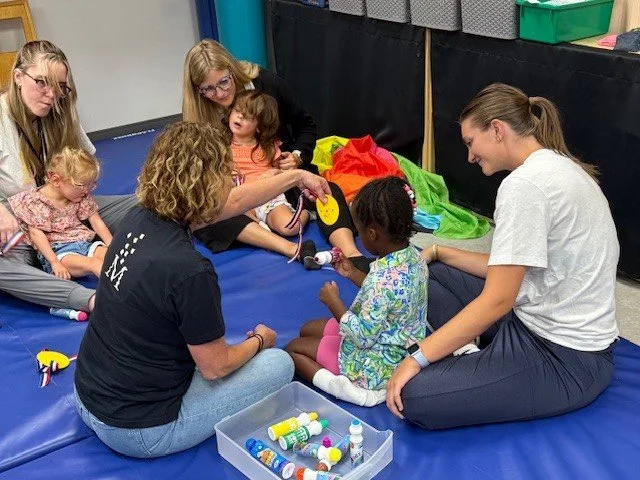
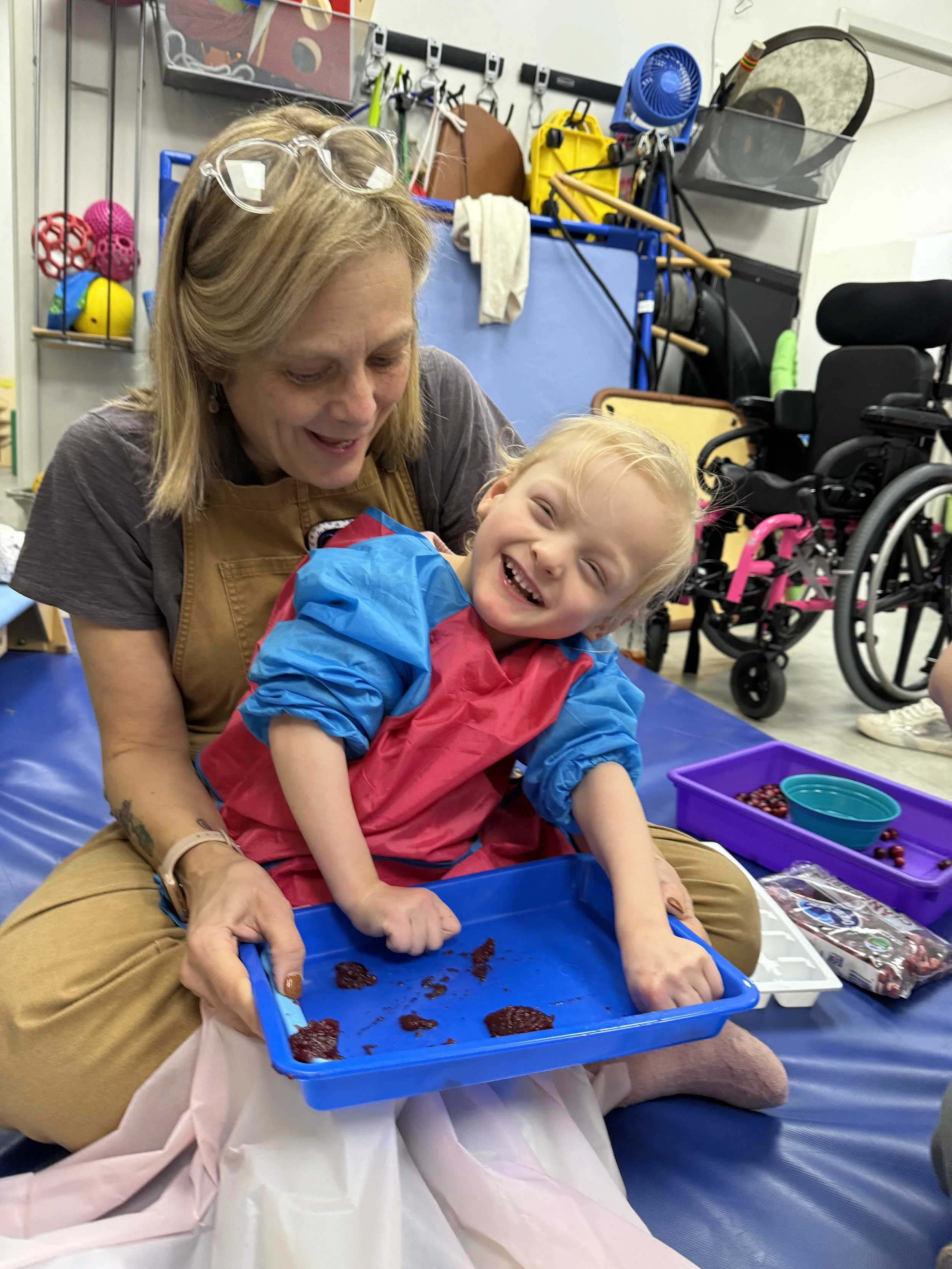
At the Meyer Center, we provide high-quality, research-based therapy services designed to support each child’s unique strengths, needs, and developmental journey. Our interdisciplinary team delivers physical therapy, occupational therapy, speech-language therapy, feeding therapy, and music therapy, all integrated within your child’s educational environment.
Families are essential members of our therapy team. Parents and caregivers are actively involved in goal setting, therapy planning, and carryover strategies to ensure skills extend beyond therapy sessions into daily life.
Our Interdisciplinary and Integrated Approach
Therapy services at the Meyer Center are delivered through a collaborative, team-based model that integrates medical and educational perspectives all in your child’s natural school environment. Therapists work closely with teachers, classroom staff, families, physicians, and community partners to provide consistent, comprehensive care across environments.
Our Goal
Our goal is to help every child participate fully in everyday life, build confidence, and reach their fullest potential—through therapy that is compassionate, collaborative, play-based and tailored to what matters most to your child and family.
Speech-Language Therapy
Supporting Meaningful Communication Across Environments
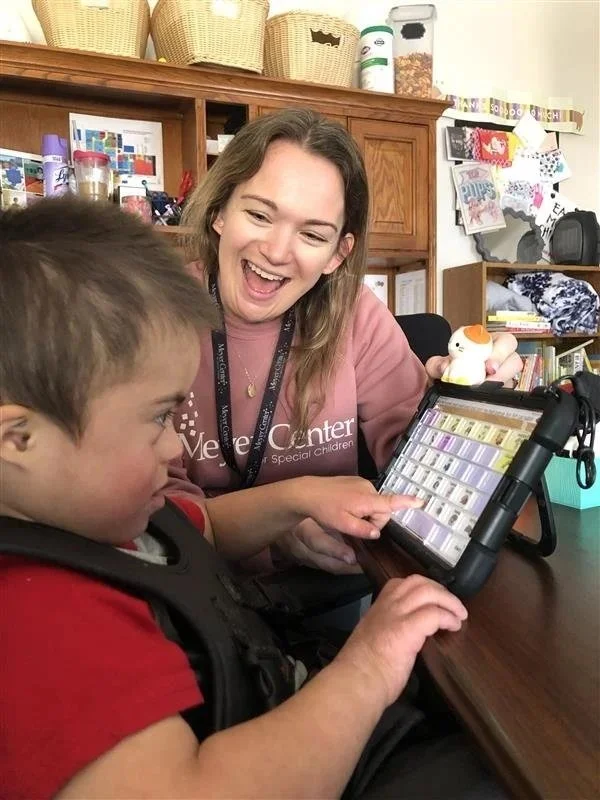
The Meyer Center’s speech-language therapy department provides evidence-based, neurodiversity-affirming services that honor each child’s communication style and developmental pathway. Therapy is delivered individually, in small groups, and within classroom settings.
Areas of focus include:
Receptive and expressive language
Social communication and pragmatic skills
Speech sound production and articulation
Early language and emergent literacy
Feeding and swallowing
Augmentative and alternative communication (AAC)
Our Philosophy & Intervention Approaches
Speech therapy is grounded in a strengths-based, child-centered approach that prioritizes connection, engagement, and authentic communication. Intervention strategies may include:
AAC modeling and support throughout the school day
DIR®/Floortime™
Play-based and naturalistic therapy
Peer modeling and relationship-based interactions
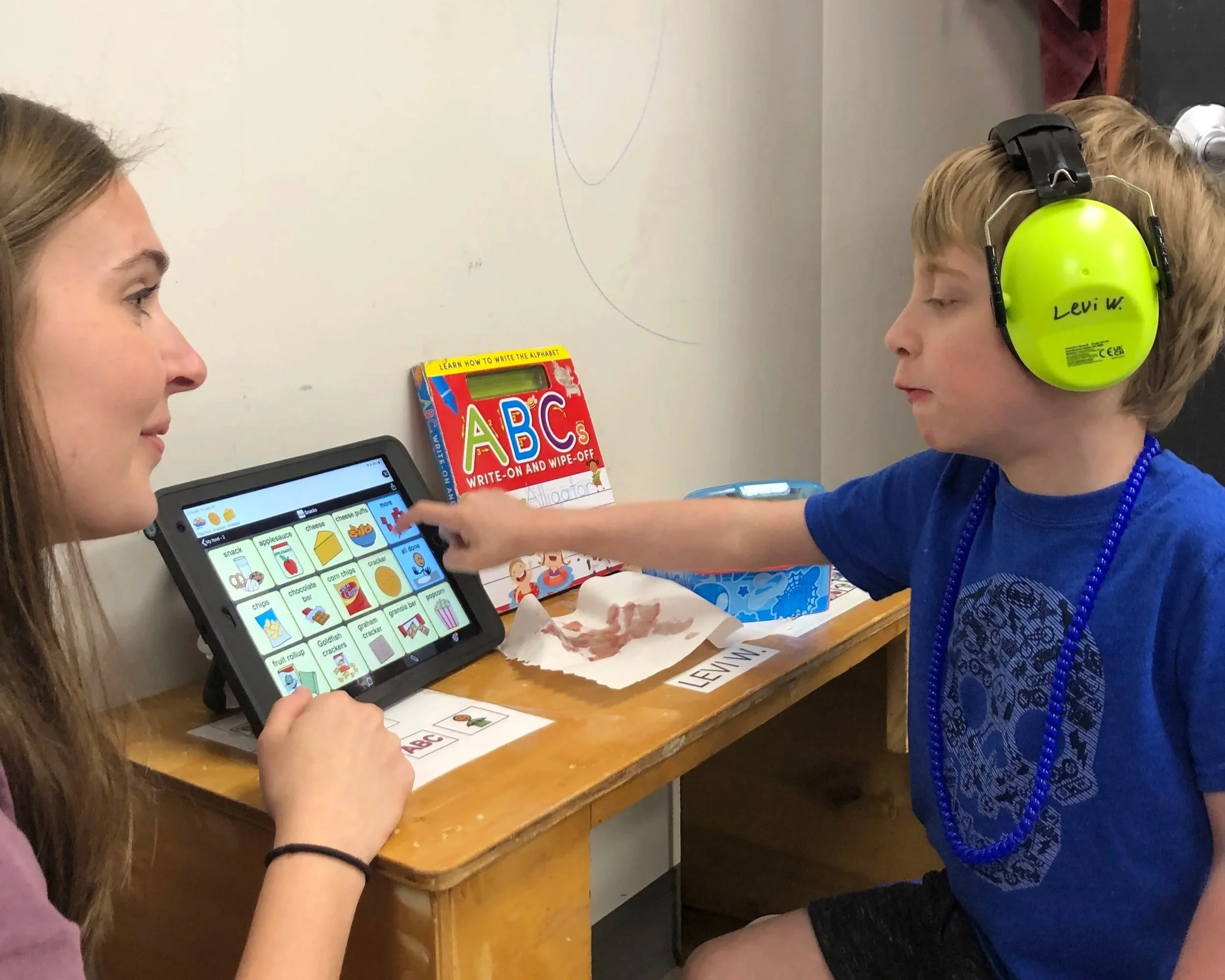
AAC Integration
For students who use AAC, therapists model device use during lessons, play, transitions, and peer interactions—reinforcing AAC as a functional communication tool across all environments.
Occupational Therapy
Building Skills for Everyday Life
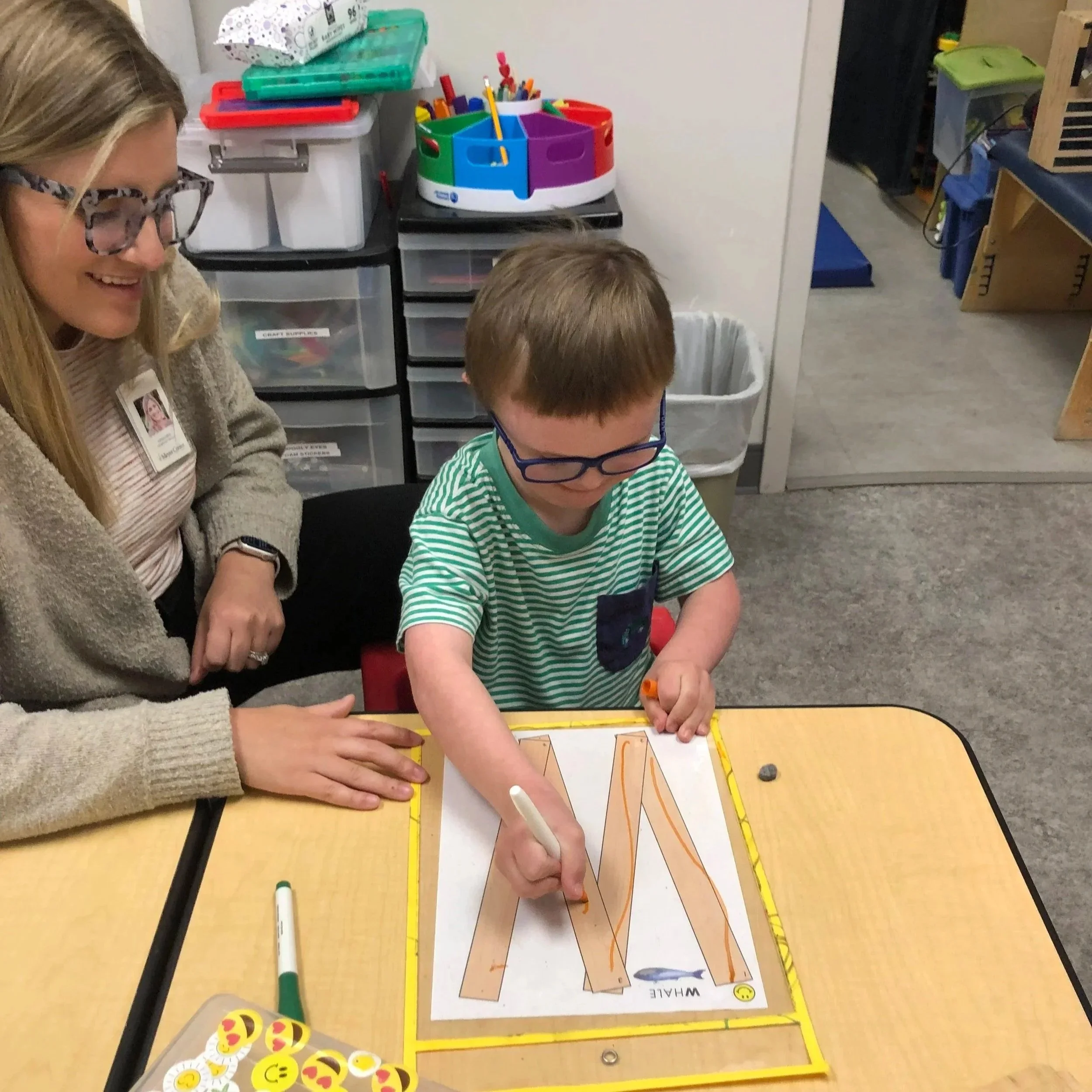
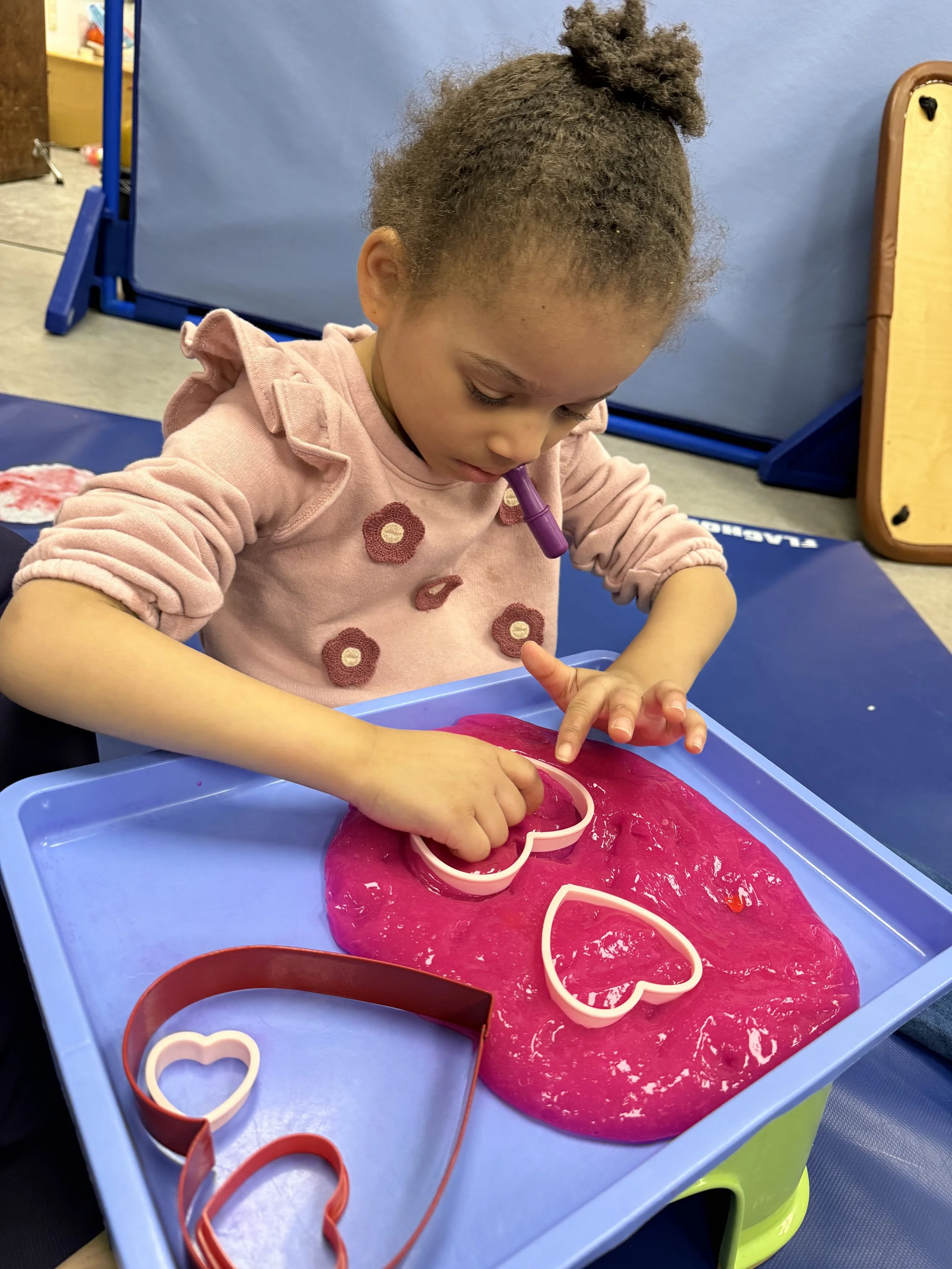
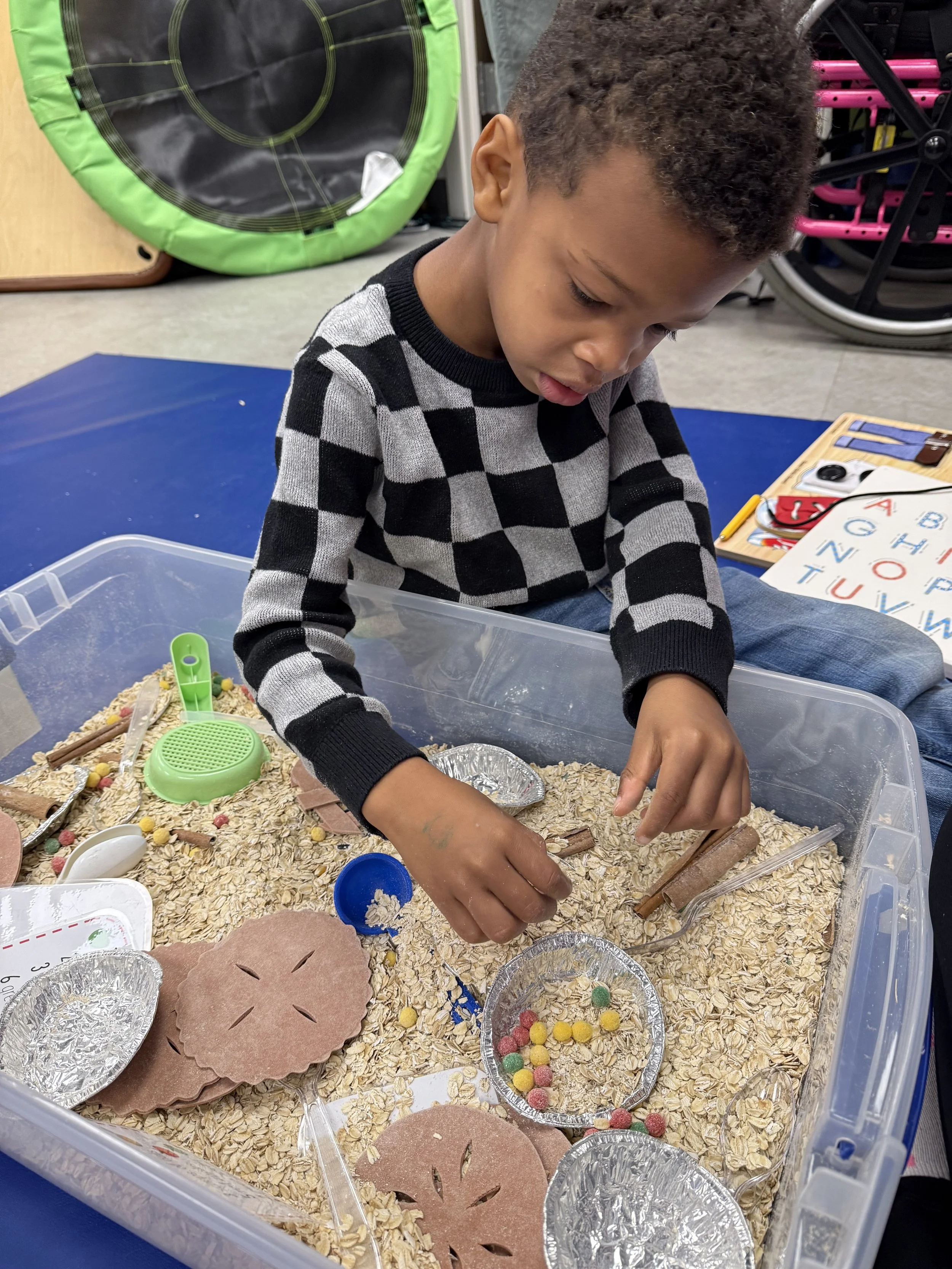
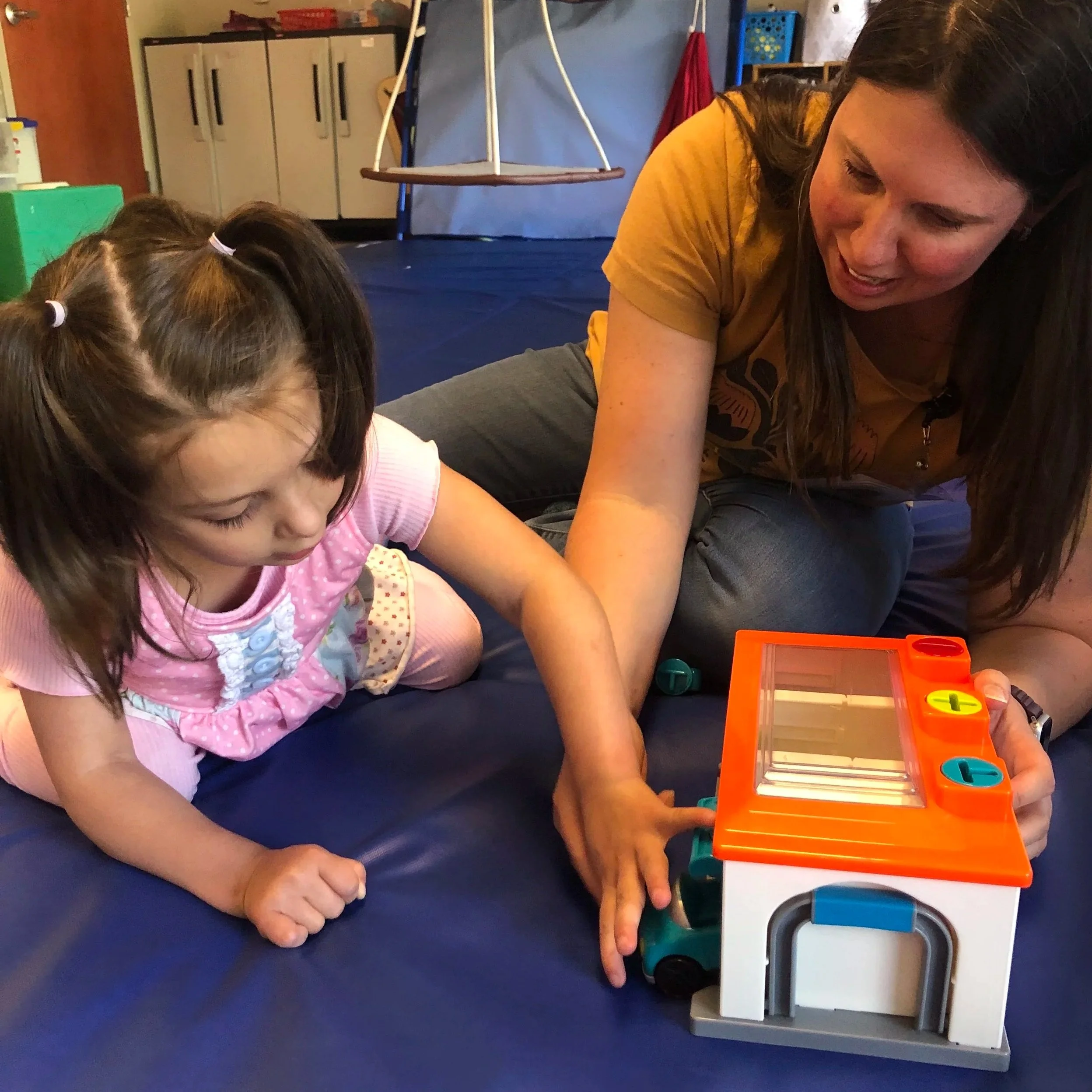
Occupational therapy at the Meyer Center helps children develop the skills they need to participate successfully in daily life—at home, at school, and during play. Therapy is play-based, evidence-based, and child-centered, supporting the whole child.
Occupational therapy supports:
Daily living skills such as dressing, feeding, grooming, and early independence
Fine and gross motor skills, coordination, balance, and motor planning
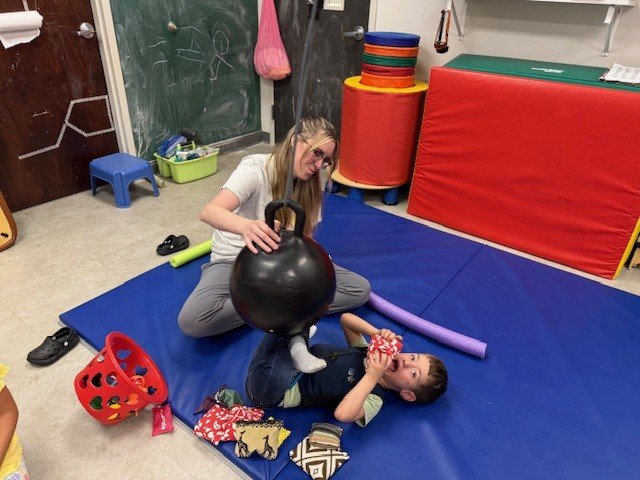
Sensory processing, emotional regulation, attention, and self-advocacy
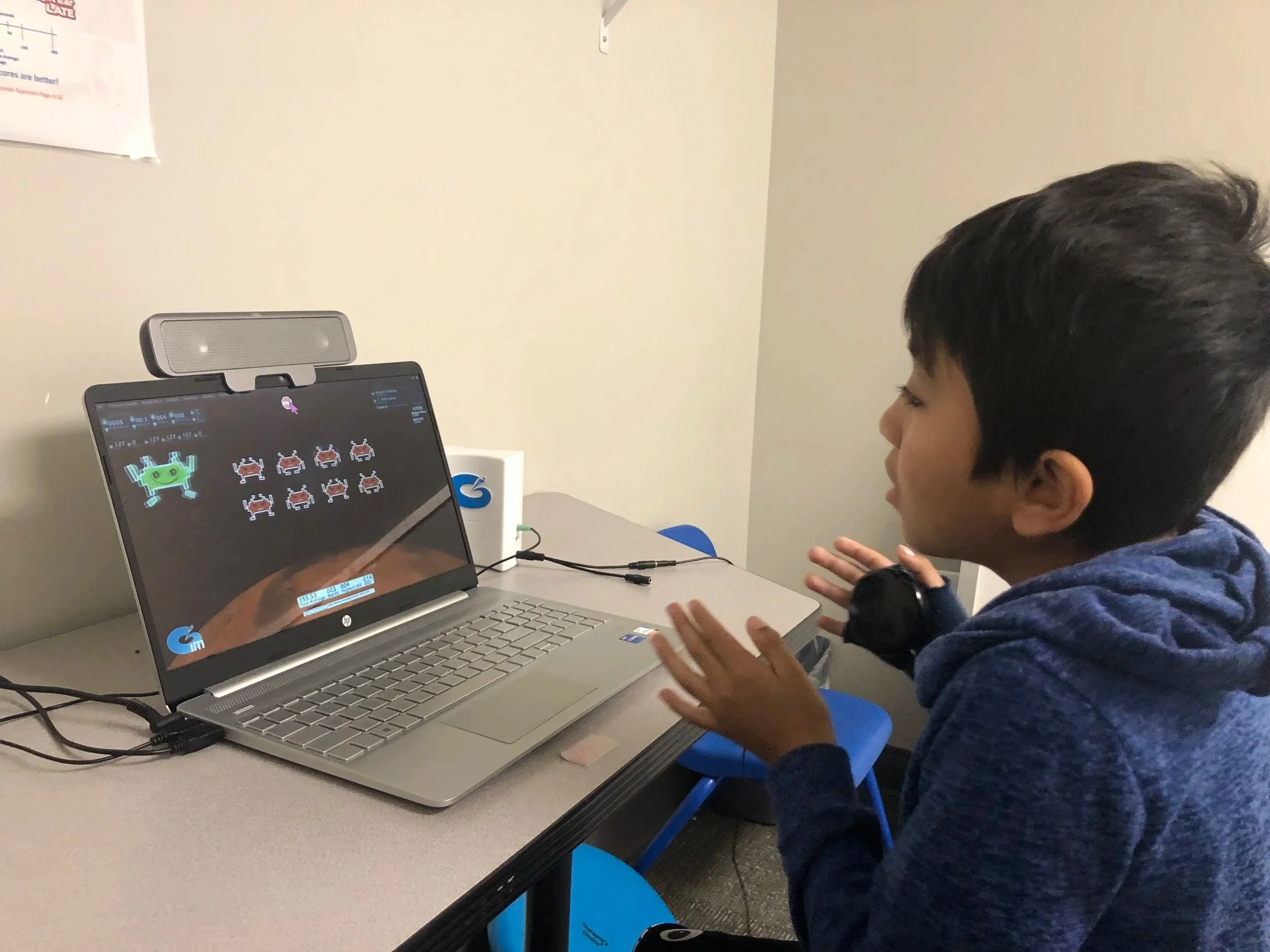
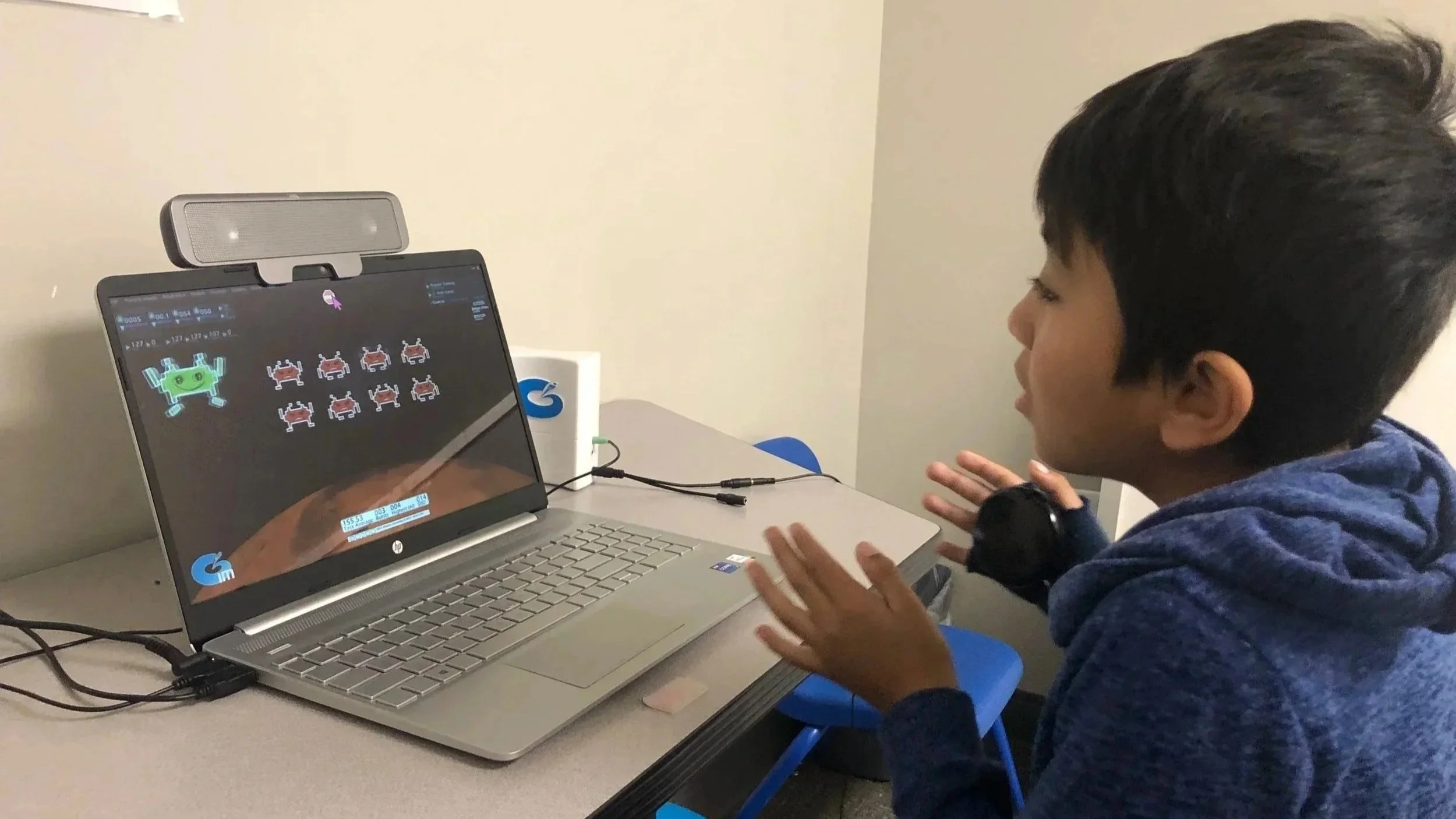
Interactive Metronome®–
A rhythm-based training program proven to improve cognition, attention, focus memory, speech/language, executive functioning, comprehension as well as motor and sensory skills.
Click here to learn more about the interactive metronome.
Handwriting & Keyboarding Without Tears – Structured support for developing handwriting and typing skills in a playful, developmentally appropriate way.
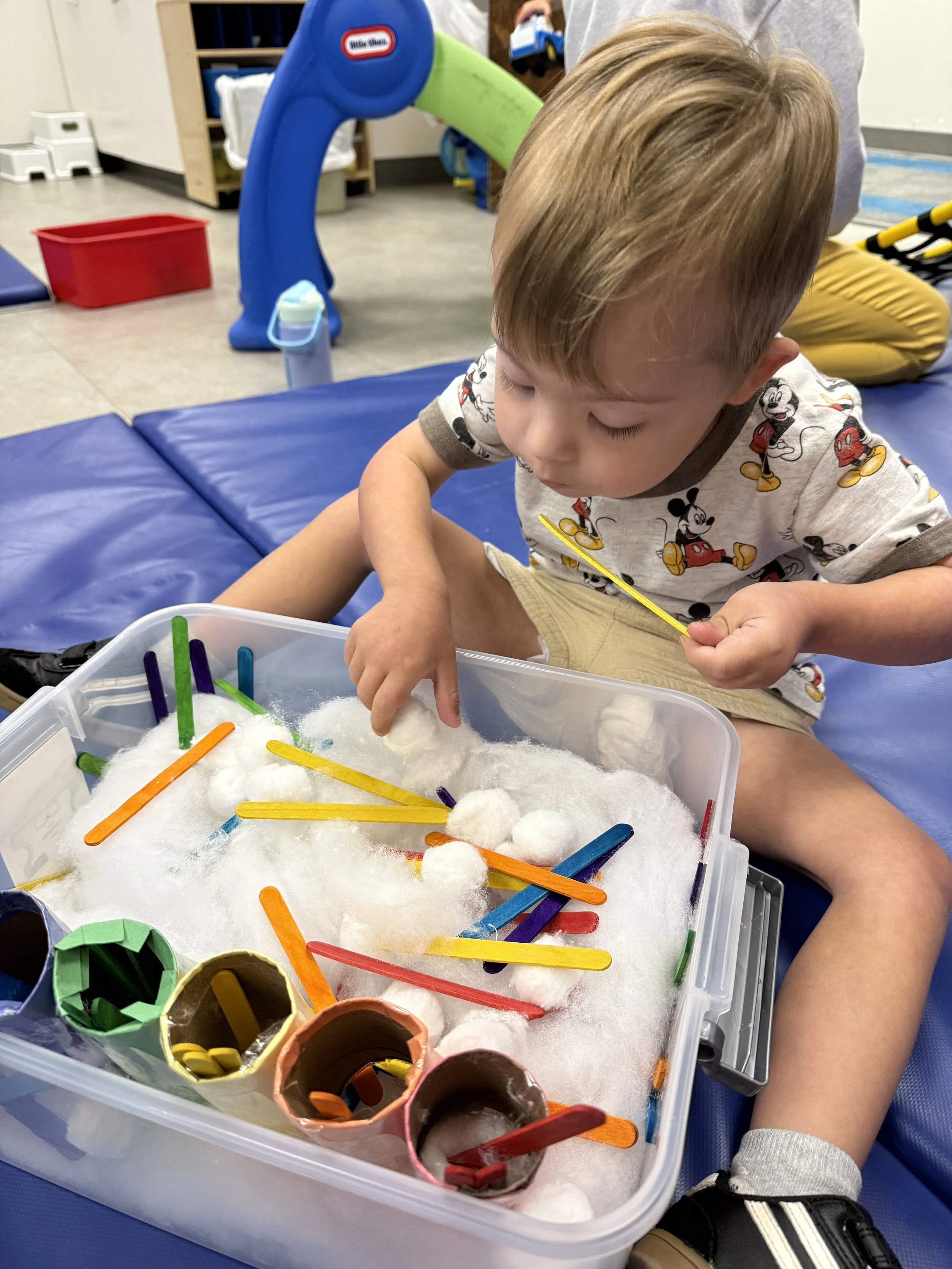
Constrain induced movement therapy- CIMT helps children improve the use of a weaker arm or hand by gently encouraging them to use it more during play and daily activities.
Feeding Therapy– Support for sensory and oral-motor aspects of eating & mealtime participation in collaboration with SLPs
Kinesiotaping– Therapeutic taping techniques that can support muscle function and posture.
DIR®/Floortime™ – A relationship-based, strengths-focused method that supports emotional connection, communication, and social thinking.
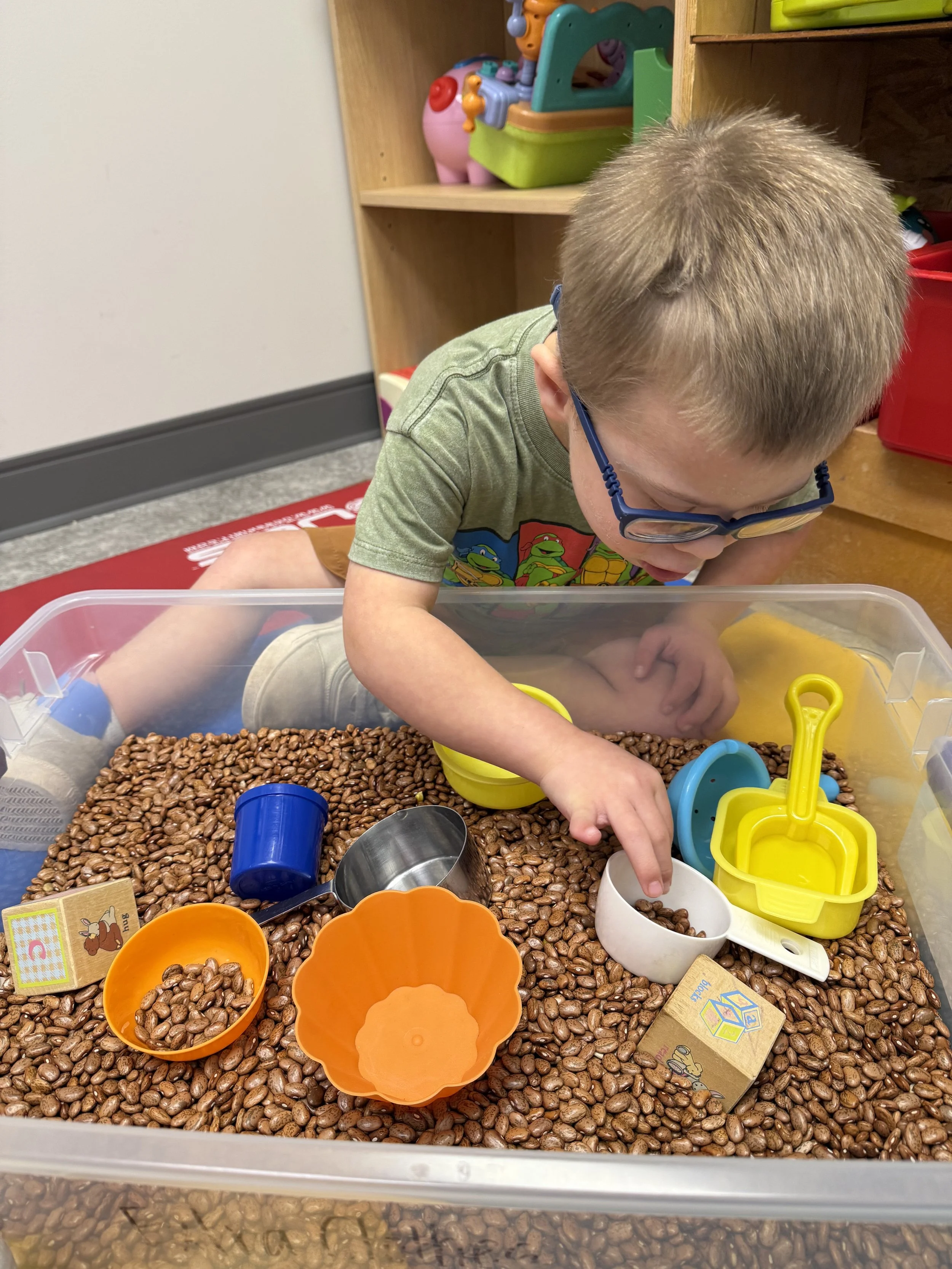
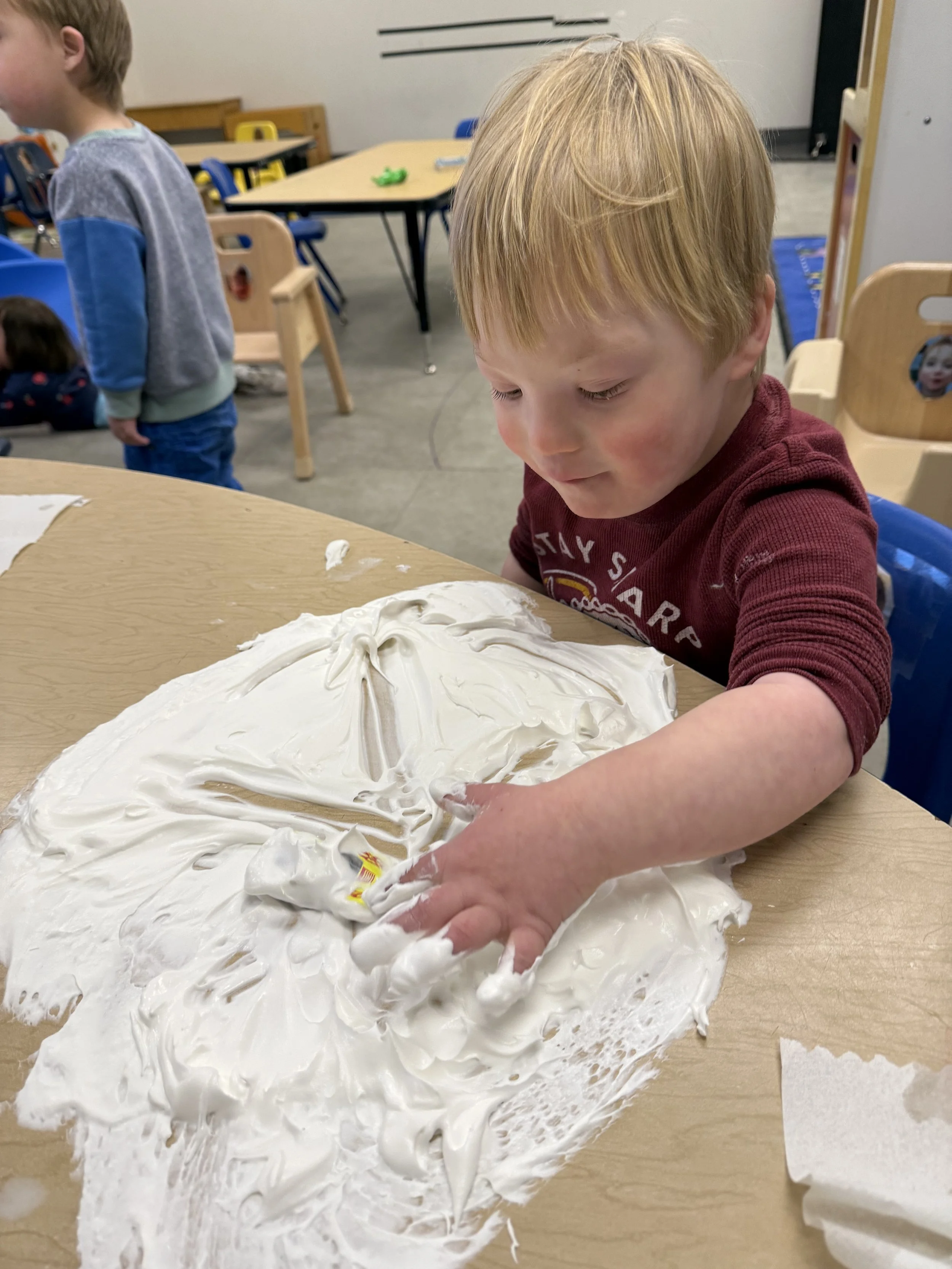
Sensory Processing Interventions – helps children understand and respond to sensory input, learn to co-regulate with adults, and learn strategies to promote sensory regulation for active participation and engagement
Yoga for Special Needs – Adapted yoga activities to promote body awareness, strength, motor planning, calmness, and self-regulation.
Reflex Integration & Pediatric Neurodevelopmental Treat Treatment– Techniques that support foundational movement patterns and motor development.
Specialized & Evidence-Based Programs
Therapy is individualized to align with each child’s strengths, needs, and developmental level. Our occupational therapists are trained in a wide range of evidence-based approaches, including:
Physical Therapy
Helping Children Move, Explore, and Participate
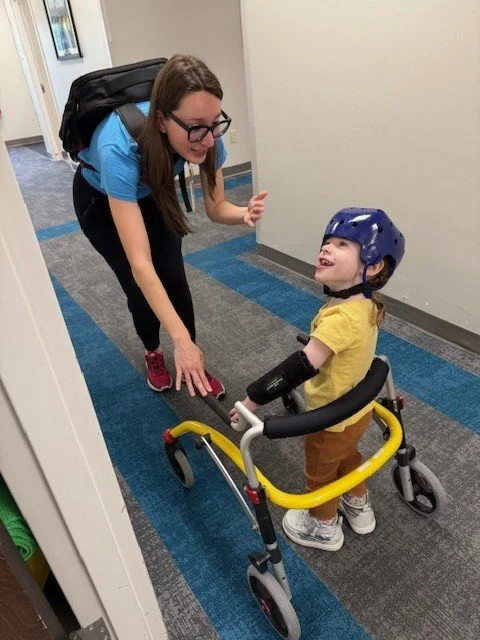
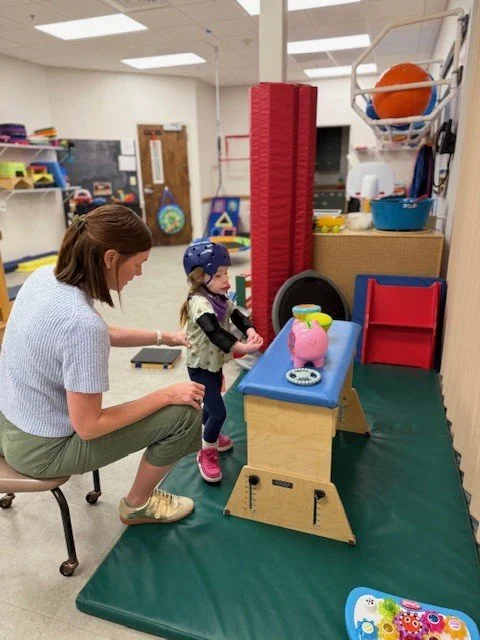
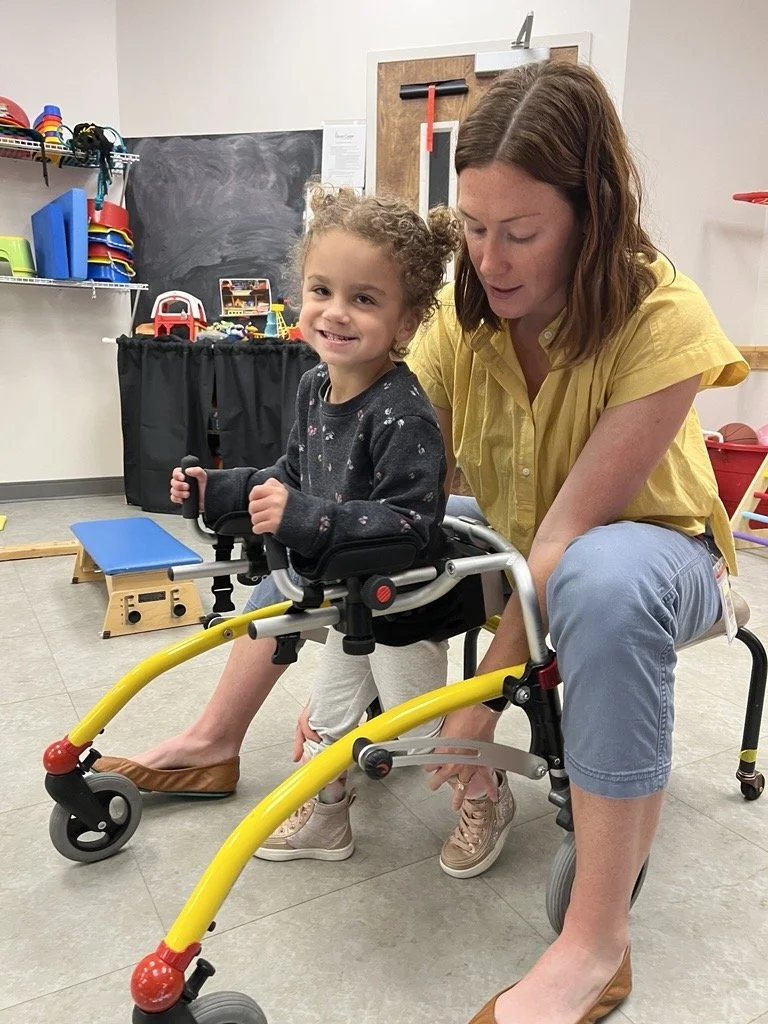
Physical therapy at the Meyer Center supports children in building strength, mobility, endurance, and confidence for participation in learning, play, and daily routines. Our physical therapists use evidence-based, goal-directed, and task-specific interventions that focus on meaningful functional skills.
Physical therapy may support:
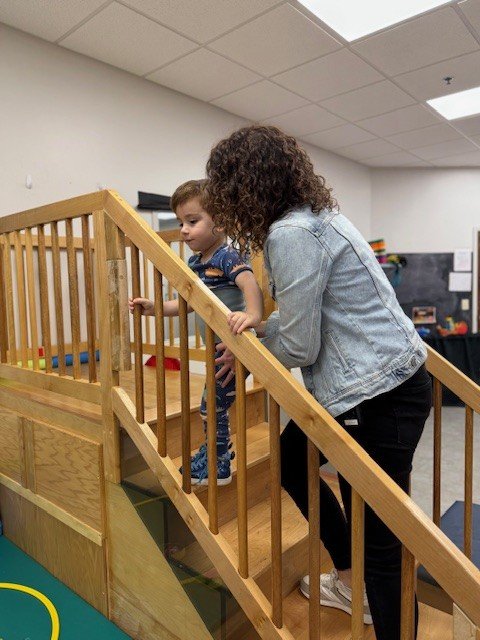
Gross motor development (sitting, standing, walking, transitions)
Strength, balance, coordination, and endurance
Safe movement and participation in school activities
Use of mobility equipment and orthotics
Specialized Physical Therapy Interventions
Therapists are trained in advanced techniques that may include:
Partial body-weight supported treadmill training
Vibration therapy
Kinesiotaping
Constraint-induced movement therapy
Specialized small groups such as pre-physical education group
These approaches are used alongside traditional physical therapy to meet each child’s individual needs. .
Equipment Support
We partner with local equipment vendors and orthotists/prosthetists to ensure children receive appropriate mobility aids and orthotic solutions.
Music Therapy
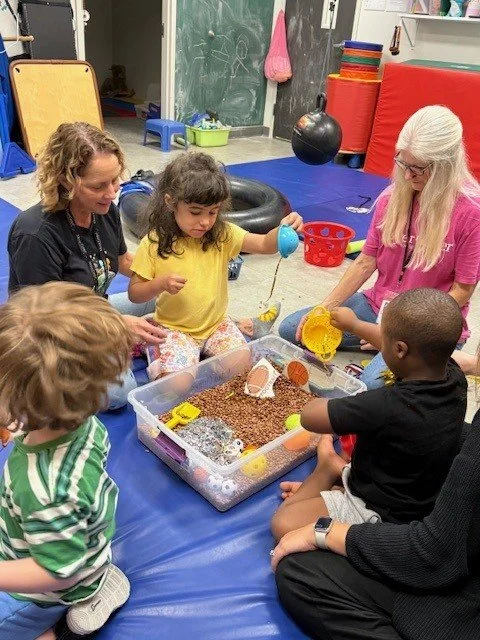
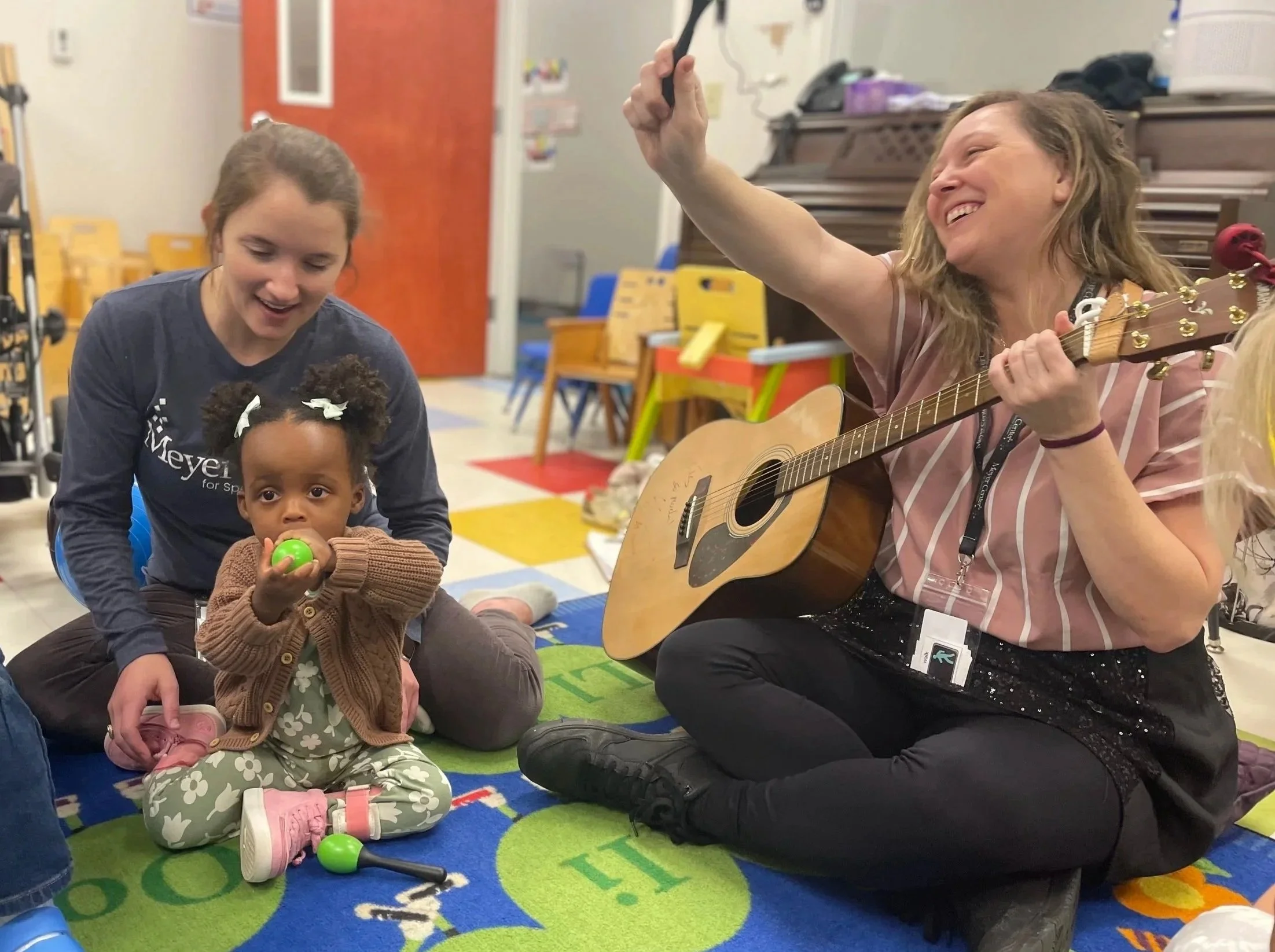
Our music therapist uses evidence-based interventions in both classroom groups and co-treatment sessions with OT, PT and Speech therapists to help our students achieve their goals in the areas of cognition, socialization, fine/gross motor skills, sensory integration/regulation and communication.
Feeding Therapy
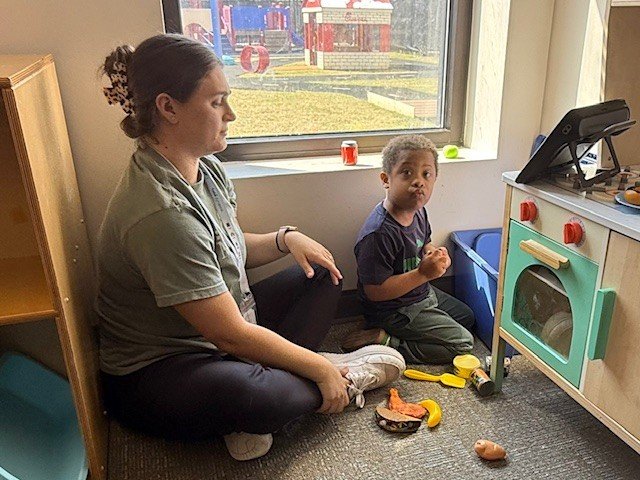
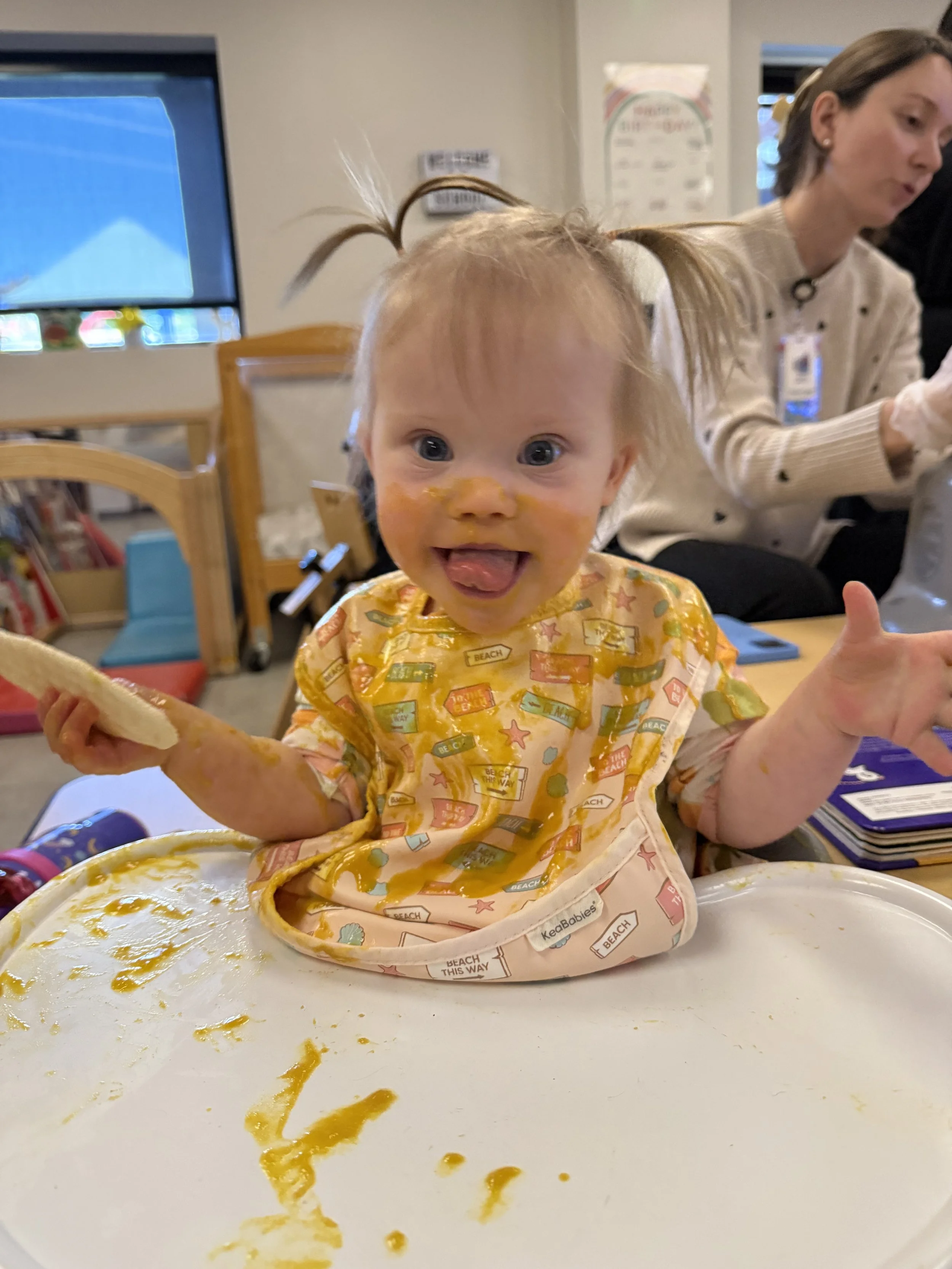
The Meyer Center uses a multi-disciplinary approach to helping children develop the oral motor, swallowing and sensory motor skills needed for successful eating. When an issue with feeding or swallowing is suspected, the speech language pathologist and occupational therapist will evaluate the child’s feeding and swallowing skills.
At the Meyer Center, the speech language pathologist will assess a child’s oral motor and swallowing skills to include how a child is able to use the muscles of the mouth and tongue to bite, chew, and swallow food and liquid of various consistencies. The speech language pathologist may recommend the child receive a referral from the primary care physician for a swallow study to gain necessary information for this area. Meanwhile, the occupational therapist will evaluate a child’s sensory skills related to feeding. OT will assess the child’s sensory/emotional state around mealtimes as well as the child’s ability to accept foods with a variety of tastes, textures, and nutritional status. For example, does the child refuse or gag in response to new or different food items more than expected for his/her age. The OT will also evaluate a child’s ability to participate in the feeding process in an age-appropriate manner.
Based upon the results of the evaluations, the OT and SLP will work together to create a plan to address the child’s individual feeding needs. In many cases, the child will receive therapy from both disciplines to improve the underlying skills needed for successful eating, with speech therapy focusing on the oral motor/swallowing aspects and OT focusing on the sensory and mechanical processes of this skill.
Success in eating requires a team approach. The therapy team will work with the child’s caregivers including parents and classroom staff to incorporate treatment strategies and adaptations into all areas of a child’s life involving feeding.
Success in eating requires a team approach. The therapy team will work with the child’s caregivers including parents and classroom staff to incorporate treatment strategies and adaptations into all areas of a child’s life involving feeding.